ACTIVE HEADER


Sun, Chlorine, and Eye Irritation in Pensacola Kids: When to Schedule an Eye Exam
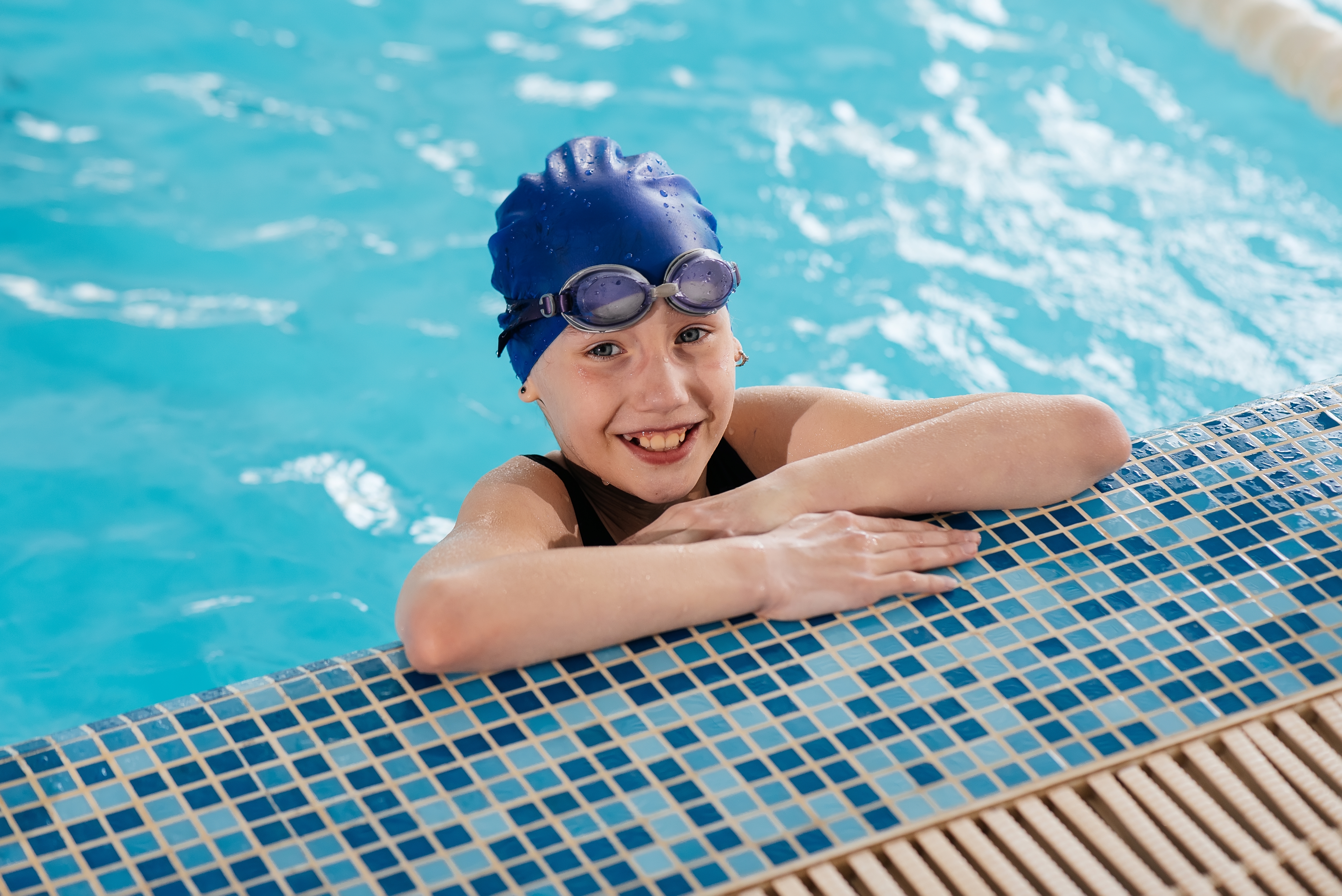
Sunny days and swimming are part of life for many families in Pensacola, but spending hours outdoors or in the pool can sometimes leave children with red, watery, or irritated eyes. While mild irritation may clear up quickly, persistent symptoms can signal that it is time to schedule a pediatric eye exam.
Understanding how sun exposure and chlorine affect your child's eyes can help you protect their vision and recognize when professional care is needed.
How Chlorine Can Irritate Your Child's Eyes
Chlorine helps keep swimming pools sanitary, but pool water can disrupt the natural tear film that protects the surface of the eye. After swimming, children may complain that their eyes burn, sting, itch, or feel gritty. Their eyes may also appear noticeably red.
Repeated or prolonged swimming can sometimes make these symptoms more noticeable, particularly in children who already experience dry eyes, allergies, or sensitive eyes.
Swimming goggles can reduce direct exposure to pool water. Children should also avoid rubbing their eyes after swimming since rubbing may make existing irritation worse.
Pensacola Sun Exposure And Children's Eyes
Children in Pensacola often spend significant time outdoors at beaches, pools, parks, and sporting events. Just as UV radiation can affect the skin, ultraviolet exposure can also affect the eyes over time.
Parents can help reduce UV exposure by choosing children's sunglasses that provide 100 percent UVA and UVB protection. A wide-brimmed hat provides another layer of protection during extended time outdoors.
Sun protection is especially important around water because reflective surfaces can increase the amount of bright light reaching the eyes.
Signs Your Child May Need An Eye Exam
Temporary redness after a swim does not always require an eye exam. However, symptoms that are severe, keep returning, or do not improve should be evaluated.
Schedule an eye exam if your child experiences:
- Eye redness or irritation that persists after swimming
- Frequent complaints of burning, stinging, or gritty eyes
- Blurred or changing vision
- Eye pain or significant discomfort
- Increased sensitivity to light
- Excessive tearing or unusual discharge
- Repeated eye rubbing or squinting
- Difficulty seeing clearly during school, sports, or other activities
Sudden vision changes, significant eye pain, an eye injury, or severe light sensitivity should receive prompt attention.
An Eye Exam Can Identify More Than Irritation
Not every red or uncomfortable eye is caused by chlorine or sunshine. Allergies, dry eye, infections, foreign material, and other eye conditions can cause similar symptoms.
During a pediatric eye exam, we can evaluate your child's vision as well as their overall eye health. This is particularly helpful when symptoms repeatedly return after swimming or outdoor activities.
Children may also have underlying vision problems without realizing that their eyesight is different from what it should be. A comprehensive eye exam can identify issues that may not be obvious from eye irritation alone.
Protecting Your Child's Eyes During Outdoor Activities
Encouraging protective habits can make swimming and outdoor activities more comfortable. Well-fitting swim goggles, UV-blocking sunglasses, hats, and reminders not to rub irritated eyes are simple steps parents can take.
If your child's red or irritated eyes are becoming a regular occurrence, an eye exam can help determine whether chlorine, environmental exposure, allergies, dryness, or another eye health concern is responsible.
Schedule your child’s eye exam with West Florida Optometry in Pensacola, FL, at (850) 318-5600 and help keep their eyes clear, comfortable, and ready for every sunny day and swim.


ACTIVE FOOTER

Powered by: