ACTIVE HEADER


Why School Vision Screenings May Not Be Enough
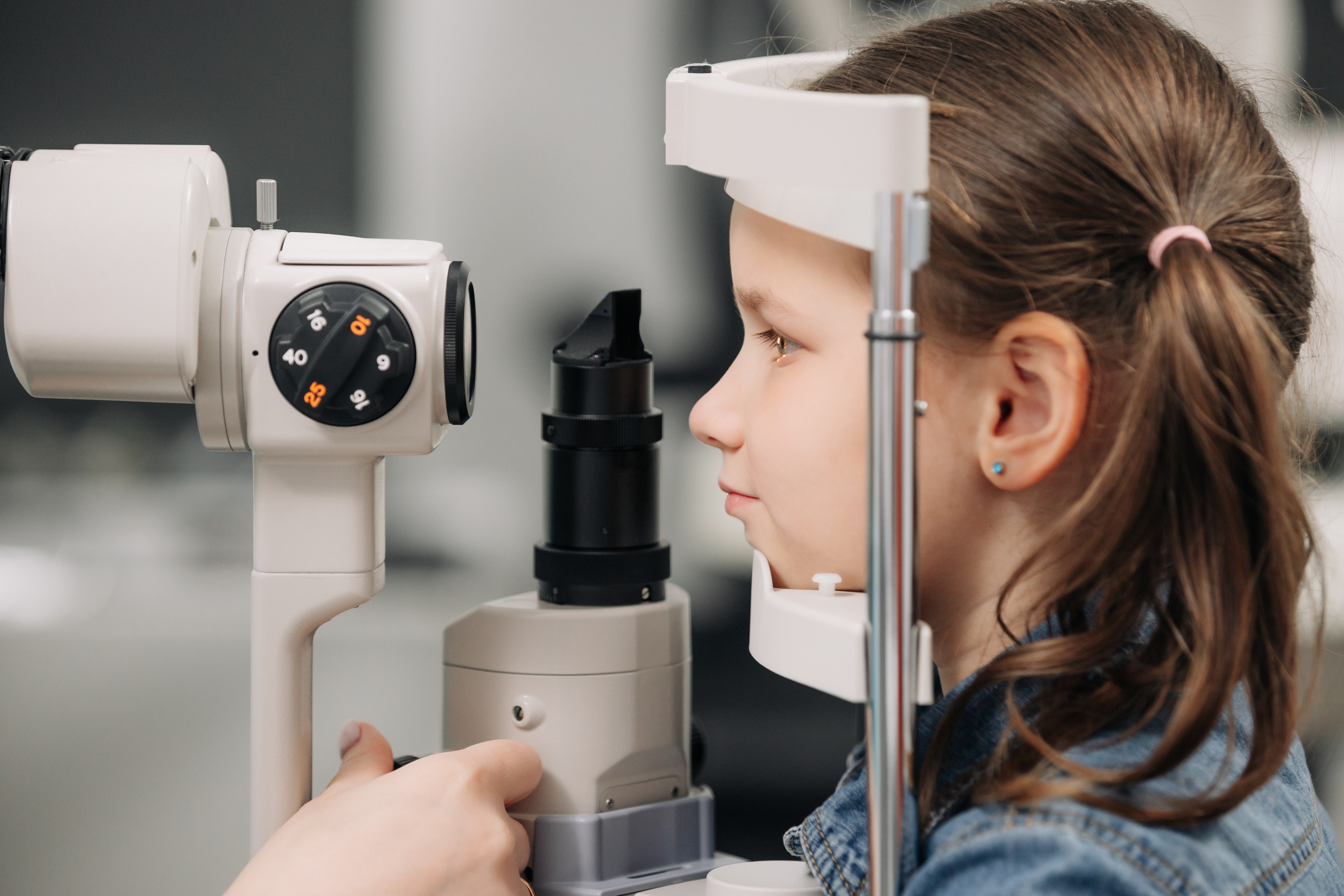
School vision screenings are a helpful first step, but they are not a full replacement for a comprehensive eye exam. Many parents rely on school screenings to confirm their child’s vision is fine, yet some issues can still go unnoticed. Knowing what screenings do and do not check can help you make informed decisions about your child’s eye health and school performance.
What School Vision Screenings Are Designed to Do
Most school screenings are meant to quickly identify children who may have trouble seeing the board or reading signs at a distance. They often focus on visual acuity, which is the ability to see clearly at a set distance. If a child passes, it only means they met the screening threshold during that brief check. It does not confirm that the eyes are healthy or that the visual system is working efficiently for reading and near work.
What Screenings Often Do Not Test
A child can have 20/20 vision and still struggle in school if other visual skills are not functioning well. Screenings usually do not evaluate eye teaming, focusing, tracking, depth perception, or how the eyes coordinate during sustained reading. They also do not typically look for early eye health concerns that require a closer evaluation with specialized equipment.
Common Vision Issues That Can Be Missed
Some symptoms show up only during longer tasks like reading, writing, or using a tablet. These concerns can impact comfort and comprehension even when distance vision seems fine.
- Eye teaming problems that can lead to double vision, skipping lines, or losing place while reading
- Focusing issues that cause intermittent blur at near, headaches, or short attention during homework
- Eye tracking challenges that affect reading speed, fluency, and comprehension
- Mild astigmatism or unequal prescriptions between the eyes that strain the visual system
- Early signs of eye health problems that require a full eye exam to detect
How Undetected Vision Problems Affect Learning
When children cannot see comfortably, they often adapt in ways that look like behavioral or academic struggles. A child may avoid reading, rush through assignments, complain of headaches, or become frustrated during close work. Some children act out because school feels harder than it should, while others quietly fall behind. Because kids may assume everyone sees the same way they do, they might not mention blur or strain unless they are asked directly.
Why a Comprehensive Eye Exam Gives a Clearer Picture
A comprehensive eye exam evaluates more than whether a child can see letters across a room. Your optometrist checks for prescription needs and assesses how well the eyes focus, track, and work together. Eye health is also examined to ensure there are no underlying concerns. This is especially important as screen use increases at school and at home, and visual demands rise with each grade level.
Comprehensive exams can also help detect developing nearsightedness early, which is increasingly common in school-aged children. Early identification supports better planning, whether that means updated glasses, closer monitoring, or recommendations that help reduce eye strain during busy school weeks.
Schedule a comprehensive eye exam for your child with West Florida Optometry in Pensacola, Florida. Call (850) 318-5600 to book an appointment today.


ACTIVE FOOTER

Powered by: